

Crucial Conversations: The Power of Listening Over Reacting
Mastering Crucial Conversations: How to Listen and Respond Effectively
Meta Description: Learn how to handle crucial conversations with confidence. Discover effective listening strategies and practical tips for better communication in high-stakes situations.
Every leader, partner, and professional faces difficult conversations, yet few master the art of effective communication during these moments. In this post, we’ll explore the importance of listening over reacting, and how you can better navigate crucial conversations to improve relationships, trust, and growth.
What Are Crucial Conversations?
Crucial conversations are discussions where stakes are high, opinions differ, and emotions run deep. These include performance feedback at work, disagreements with a partner, or addressing uncomfortable topics with family or colleagues. Often, the most significant failures in these conversations come not from saying the wrong thing, but from reacting instead of listening.
Why Listening Matters More Than Speaking
Many of us think we are good listeners, but often we are merely waiting for our turn to speak. True listening requires pausing your internal dialogue, understanding the intent behind the words, and observing tone and emotion. In crucial conversations, what is said constitutes only 50% of the message; how it’s said and the context can change everything.
The Reaction Window
The reaction window is that split second when you feel triggered or defensive. This is where conversations can derail. Instead of responding immediately, practice the discipline of taking a moment to process the conversation. Ask yourself: Am I responding to understand or to defend? This pause can help you maintain control over the conversation and prevent escalation.
Three Practical Approaches to Handle Difficult Conversations
Here are three structured approaches you can implement immediately to improve your handling of crucial conversations:
1. Listen to Understand
- Why This Matters: This approach emphasizes clarity over control. True understanding requires letting the other person express themselves fully.
- How to Do It: Avoid interrupting. Repeat back what you heard to confirm understanding. For example, you might say, "What I'm hearing is that you felt unsupported in that situation. Is that accurate?"
- Common Mistake to Avoid: Don’t assume you know what they mean; listen actively and clarify.
2. Pause and Process
- Why This Matters: This strategy helps regulate emotions during a conversation.
- How to Do It: Take deliberate pauses before responding. Instead of defending your position immediately, ask clarifying questions. For instance, you could say, "I want to make sure I give this the right response, so let me take some time to think this through."
- Common Mistake to Avoid: Reacting immediately out of impulse can escalate tensions.
3. Separate Facts from Feelings
- Why This Matters: Mixing facts with feelings can cloud judgment and lead to misunderstandings.
- How to Do It: Focus on identifying what actually happened versus how it was felt. You might say, "Let’s walk through what happened step by step and then discuss how it felt on both sides."
- Common Mistake to Avoid: Don’t let emotions dictate the narrative; clarify the facts first.
The Importance of Mastering Difficult Conversations
Avoiding crucial conversations stunts personal and professional growth. Engaging in these discussions allows you to confront challenges, receive feedback, and build stronger relationships. Remember, growth comes from hearing perspectives that may differ from your own. When you master these conversations, you enhance your emotional discipline, build trust, and affirm your leadership presence.
Key Takeaways
- Don't rush your response during crucial conversations.
- Listen fully, pause intentionally, and respond thoughtfully.
- The quality of your conversations directly influences your relationships and leadership.
Conclusion
Mastering crucial conversations is not just about managing conflict; it’s about leading with clarity and purpose. The next time you find yourself in a difficult discussion, remember to pause, listen, and respond with intention. These skills will not only improve your personal growth but also enhance your relationships and leadership effectiveness.
Frequently Asked Questions
What is a crucial conversation?
A crucial conversation is a discussion where the stakes are high, opinions differ, and emotions are involved, impacting relationships and decisions.
How can I improve my listening skills?
To improve your listening skills, practice active listening by letting others speak fully, repeating back what you heard, and avoiding interruptions.
Why is it important to separate facts from feelings?
Separating facts from feelings helps clarify the conversation and reduces defensiveness, enabling a more constructive dialogue.
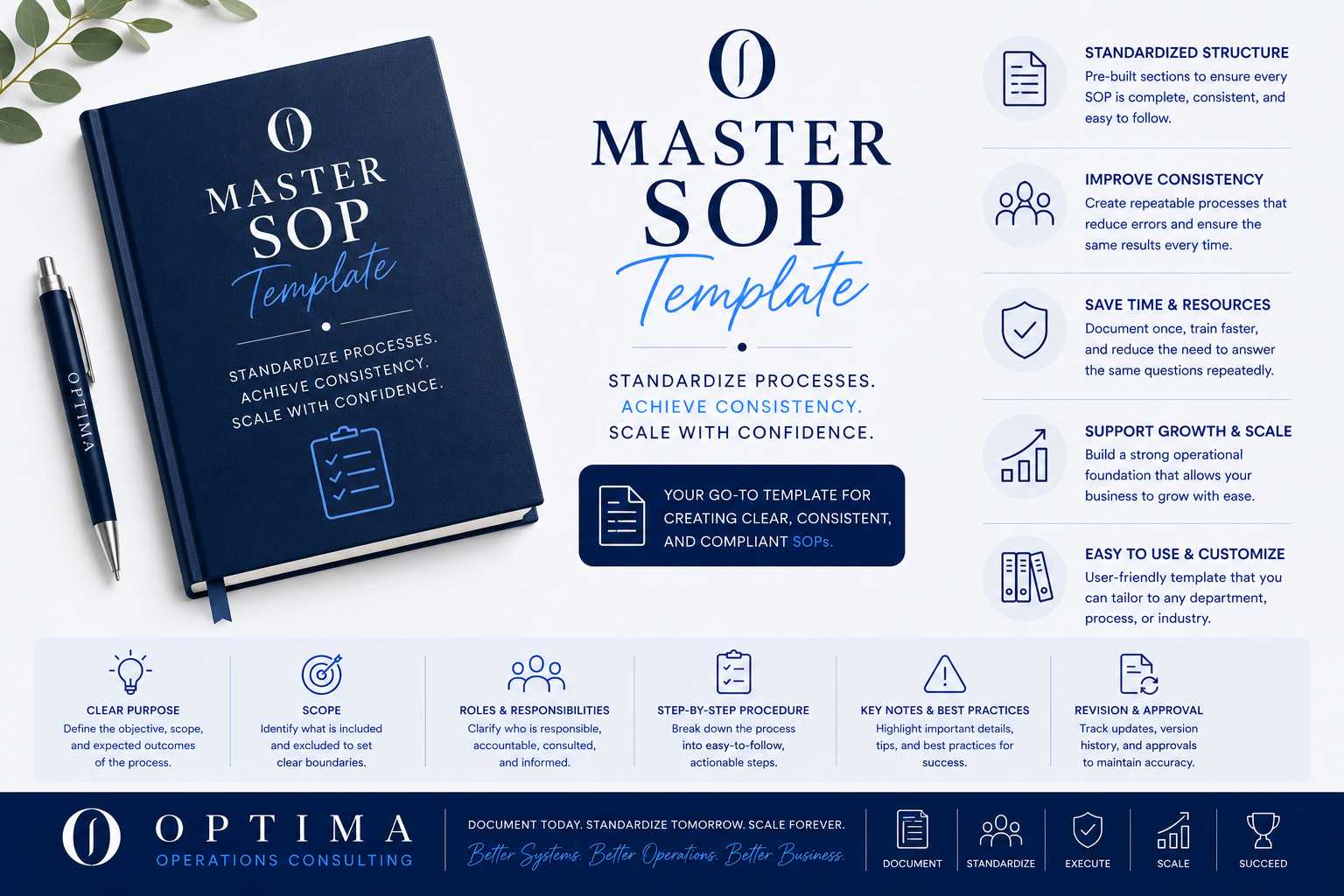
Build once. Run everything with clarity.
The Master SOP Template is a fully editable, business-ready framework designed to help you document any process in your organization, clearly, consistently, and professionally.
Whether you’re a founder, consultant, nonprofit leader, or growing team, this template gives you the structure you need to capture how work gets done so it can be followed, delegated, and repeated with confidence.
No more starting from a blank page. No more guessing what to include.
This is the system behind organized, scalable operations.
What’s Included:
Ready-to-use template
Instructions for use
How Delivery Works:
This is a digital product. After purchase, you’ll receive an instant template download.
Usage Terms:
Non-refundable
For personal or internal business use only
Redistribution is not permitted

“Crucial Conversations: Listen. Pause. Respond.” The importance of a strong leader in business.